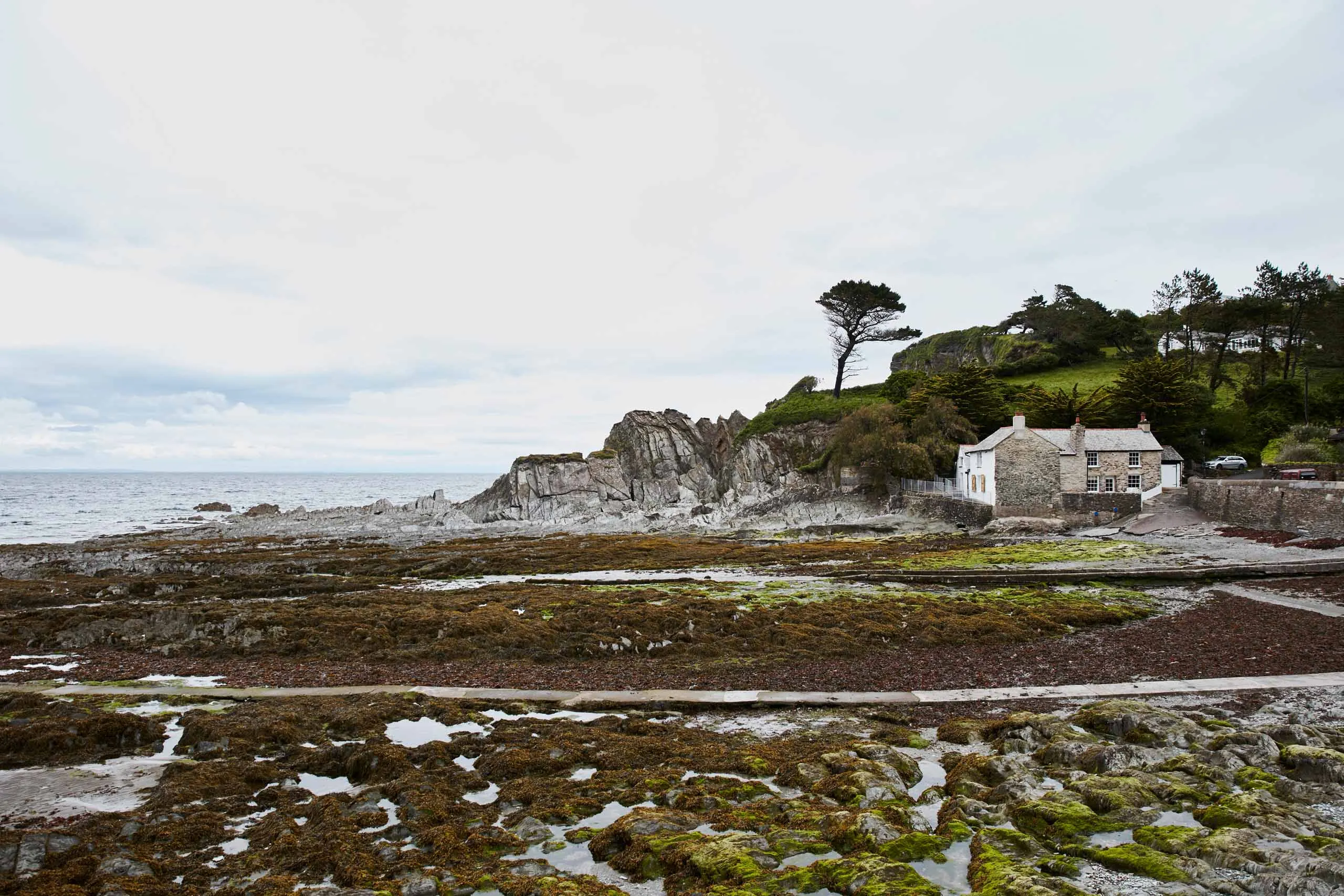
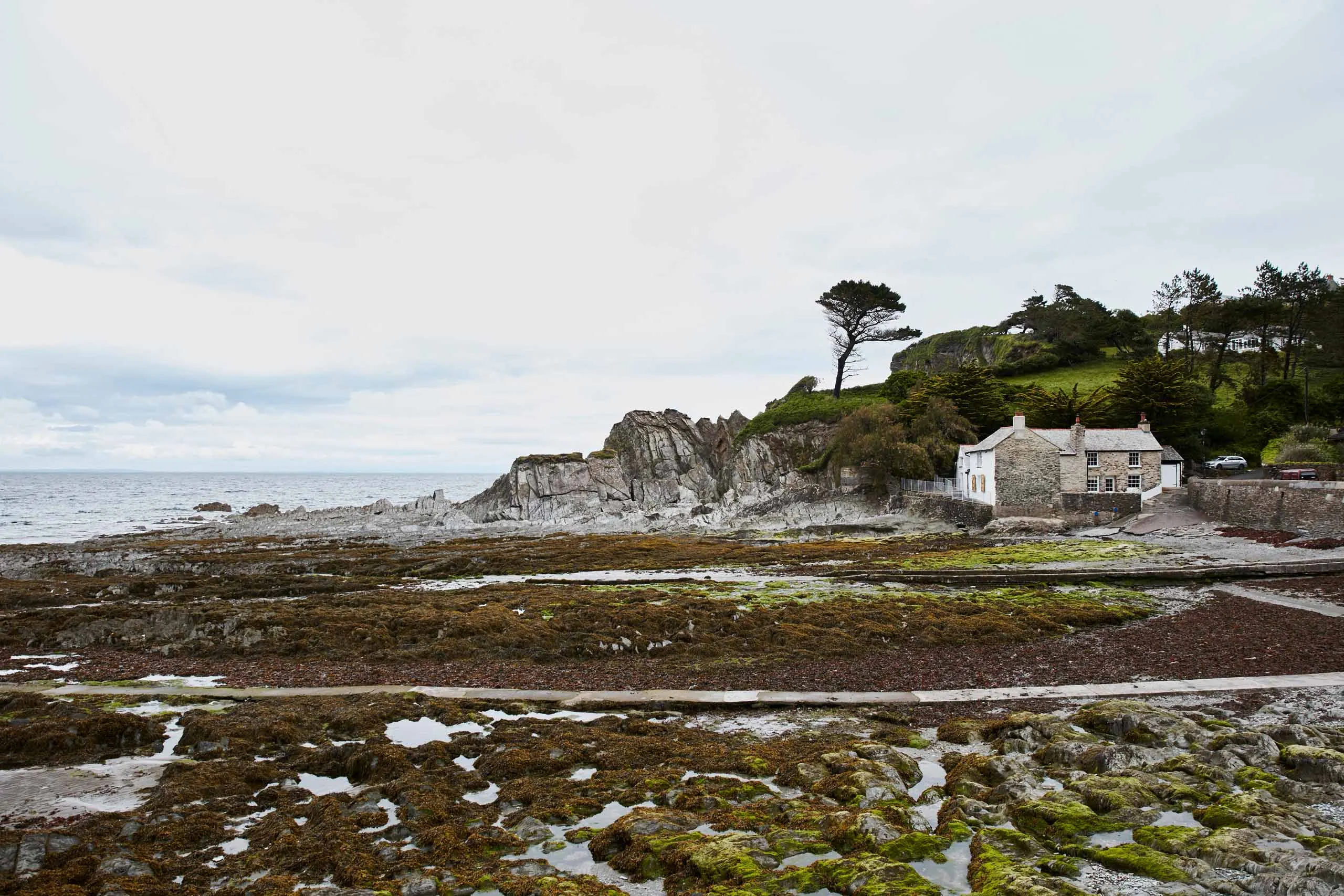
Heritage & Conservation Contractor North Devon
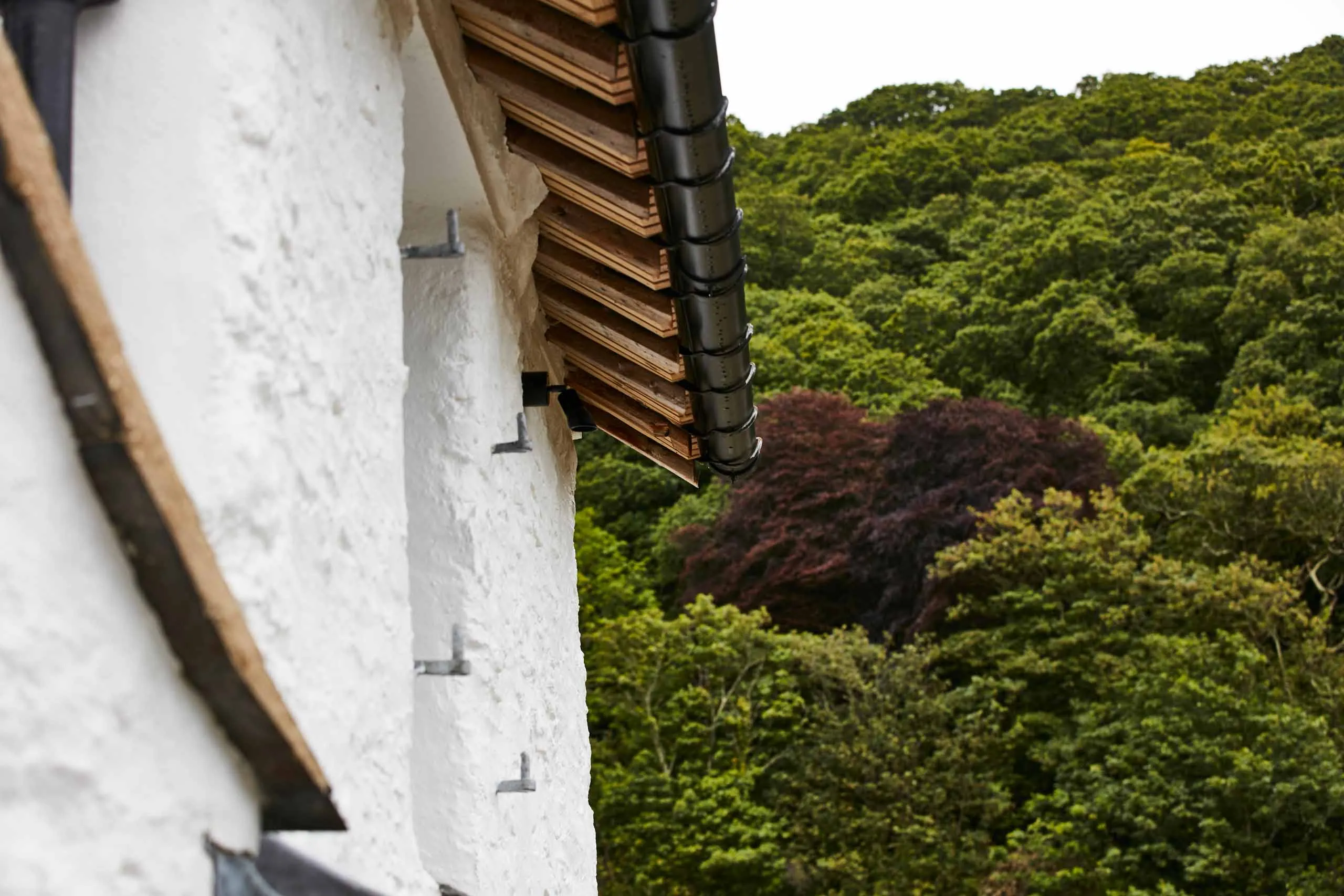
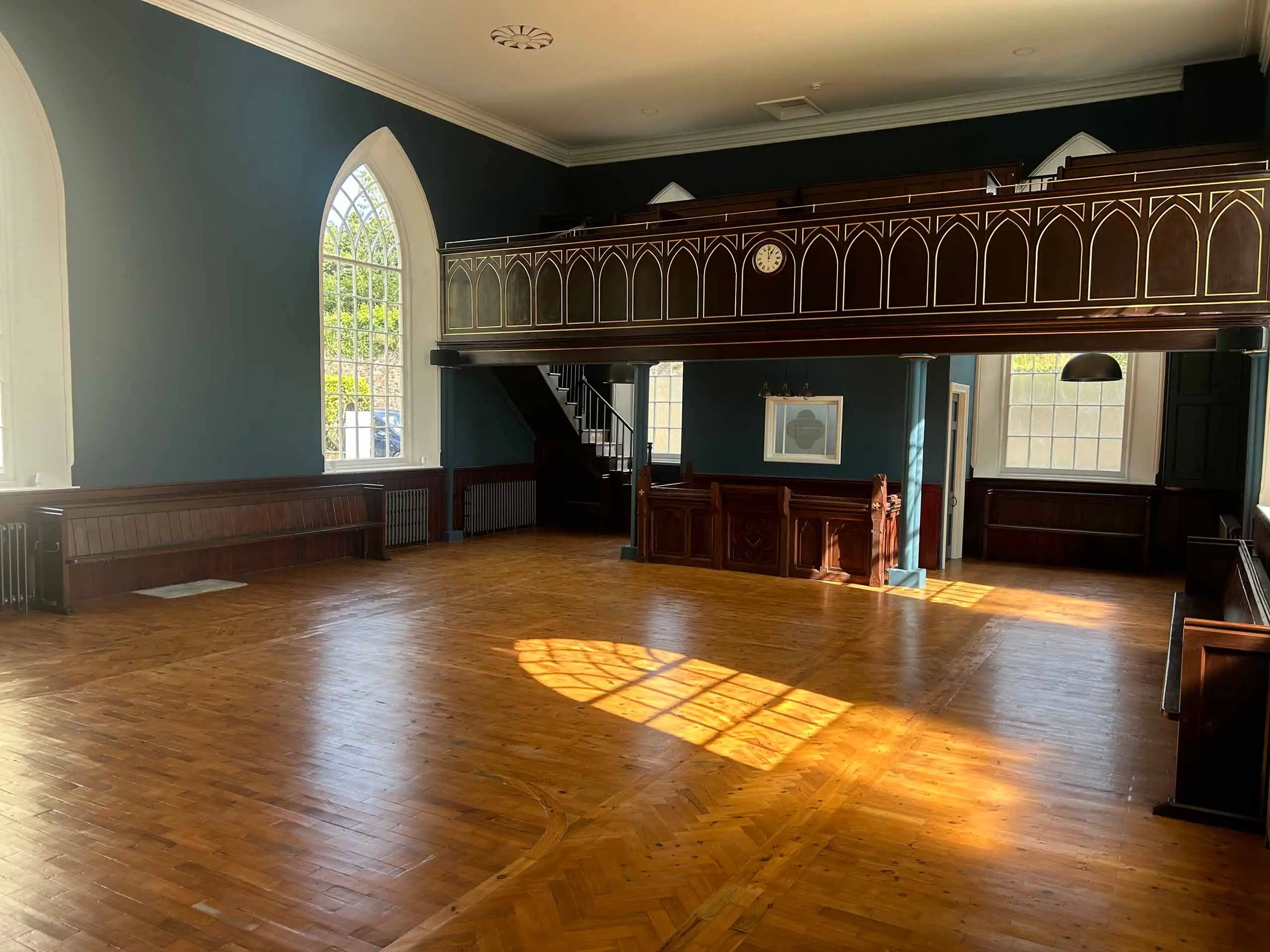
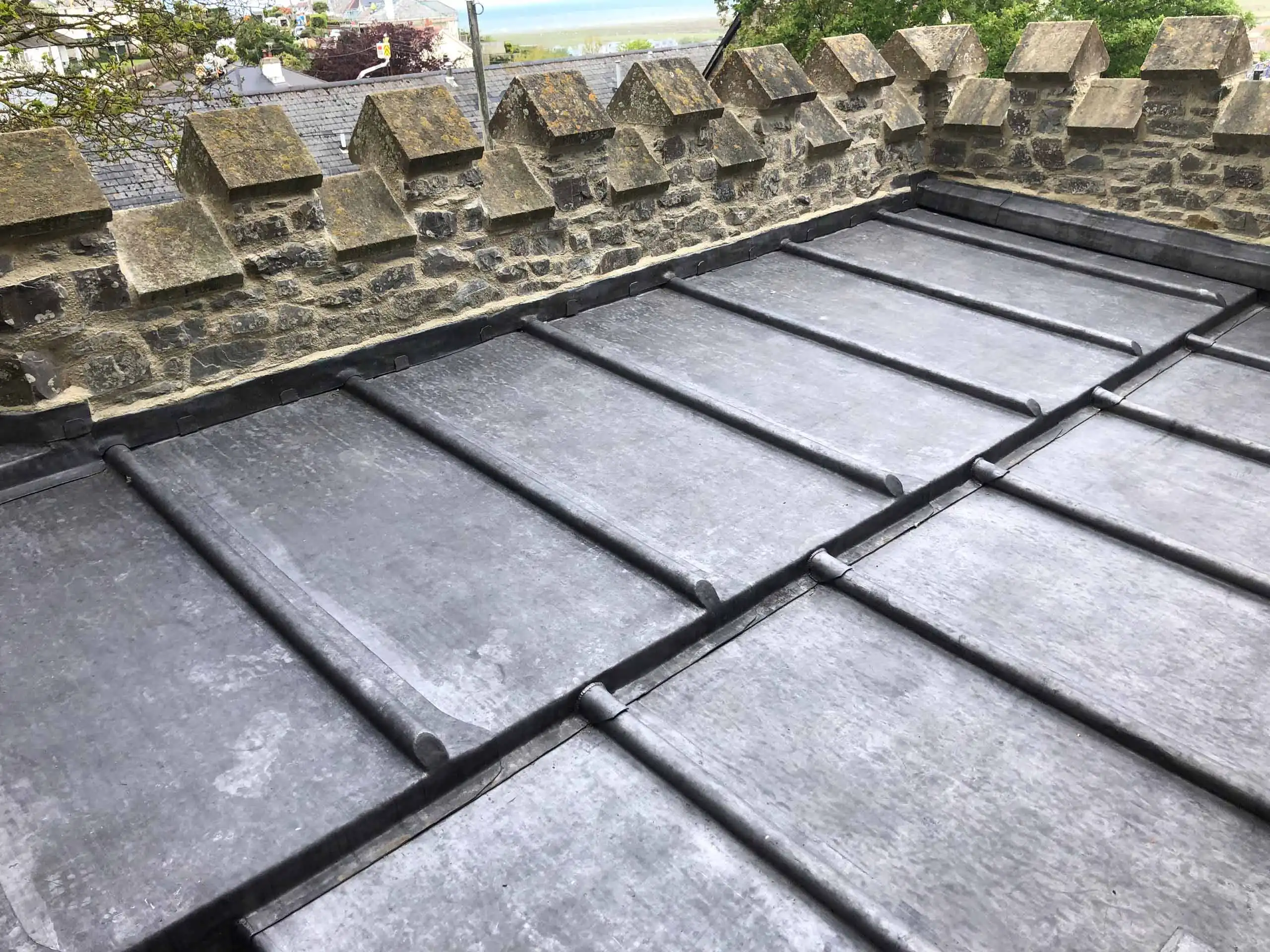
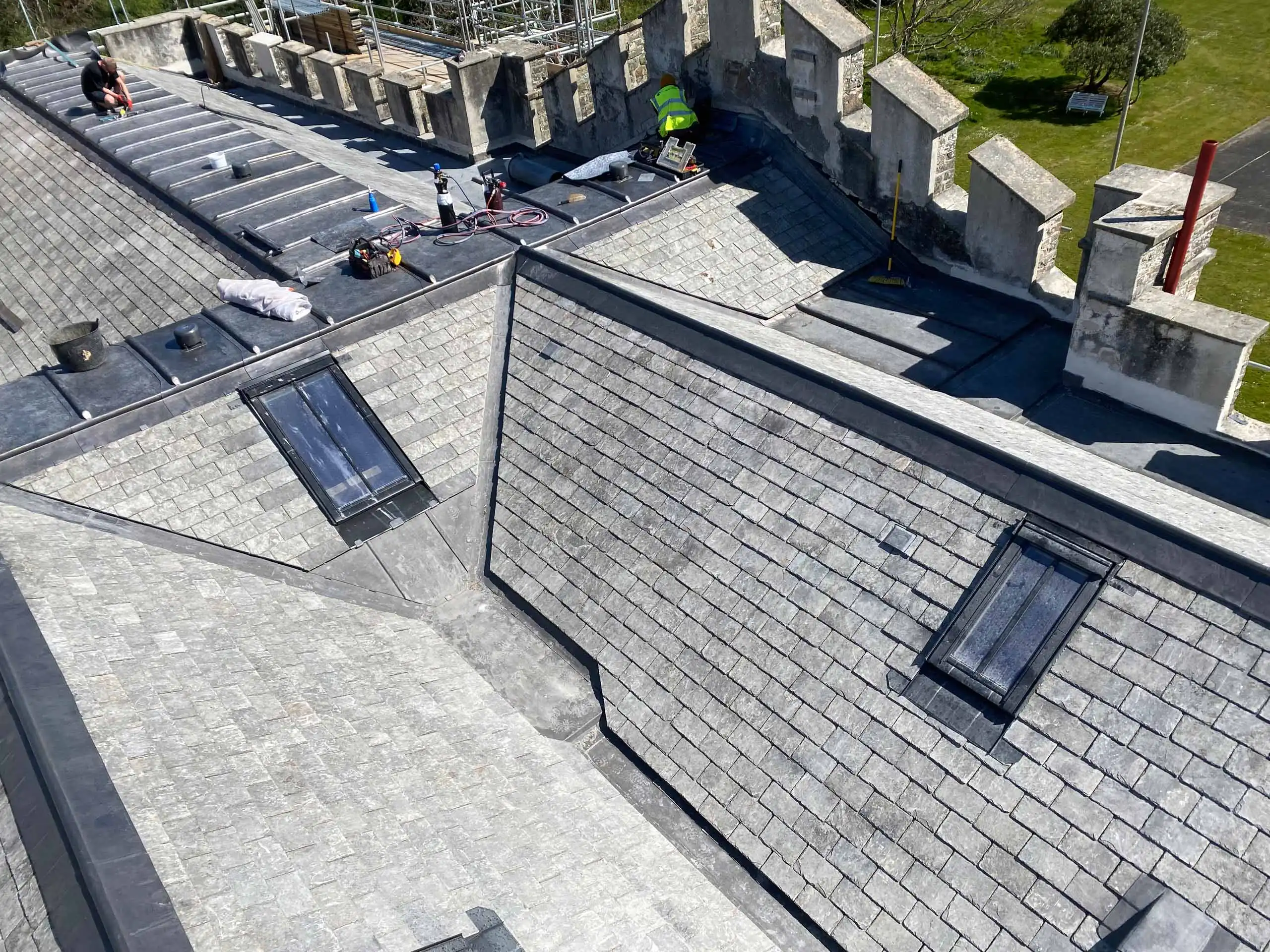
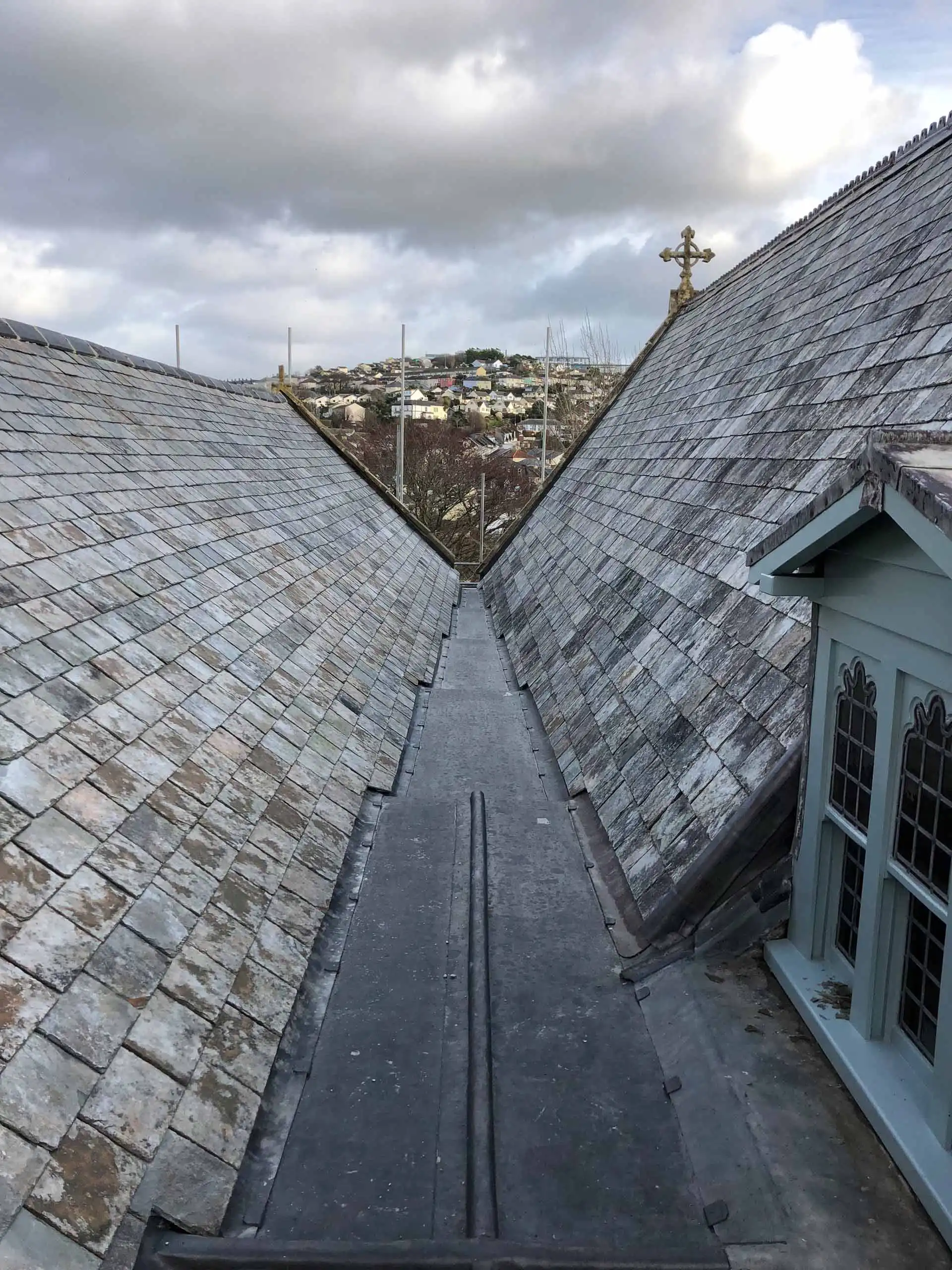
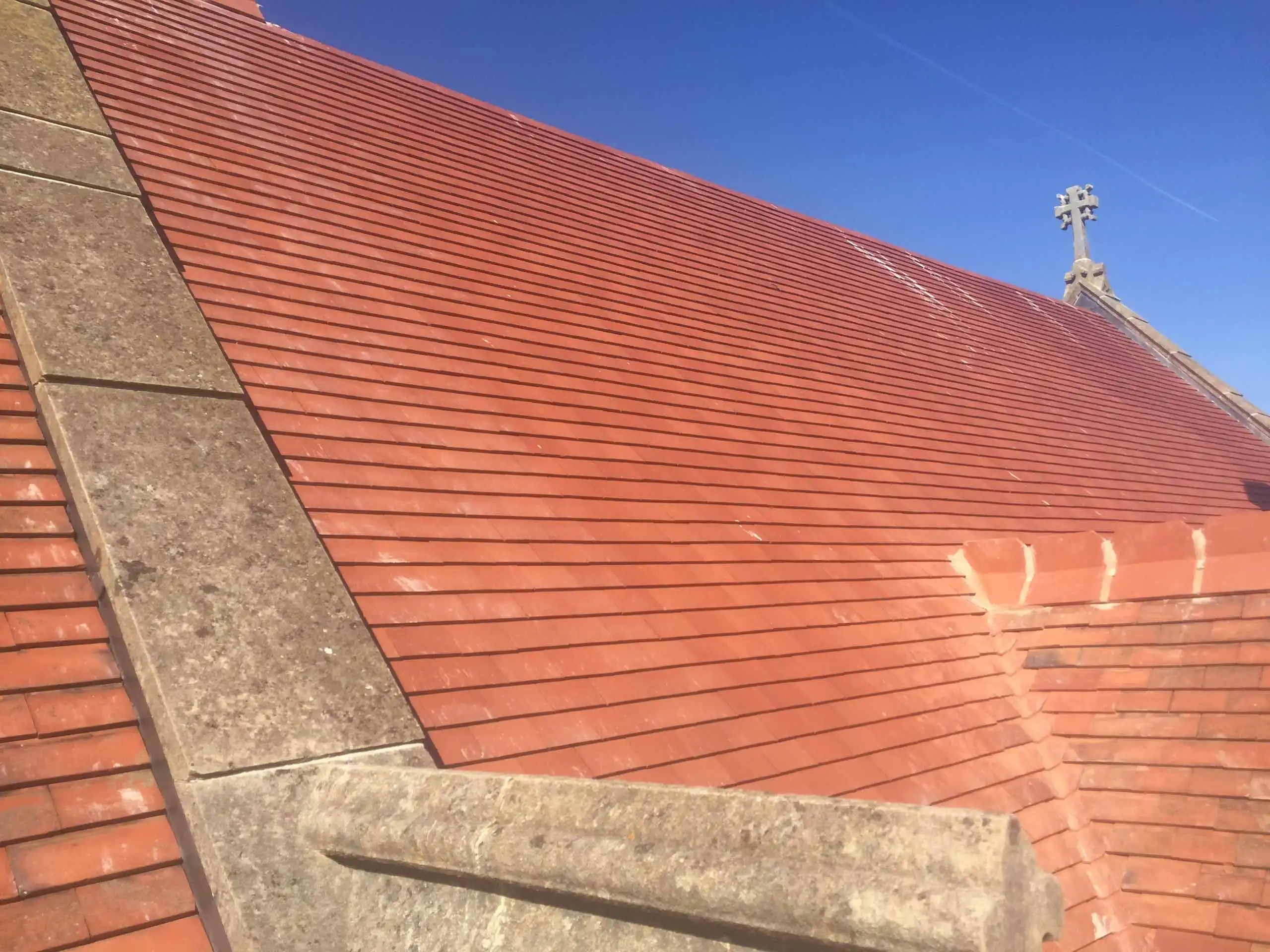
We have worked on nearly 100 heritage buildings over two decades, from listed private homes to lottery funded restorations on churches and stately homes. We work closely with conservation architects, conservation officers and specialist sub-contractors to deliver the standard these buildings deserve.
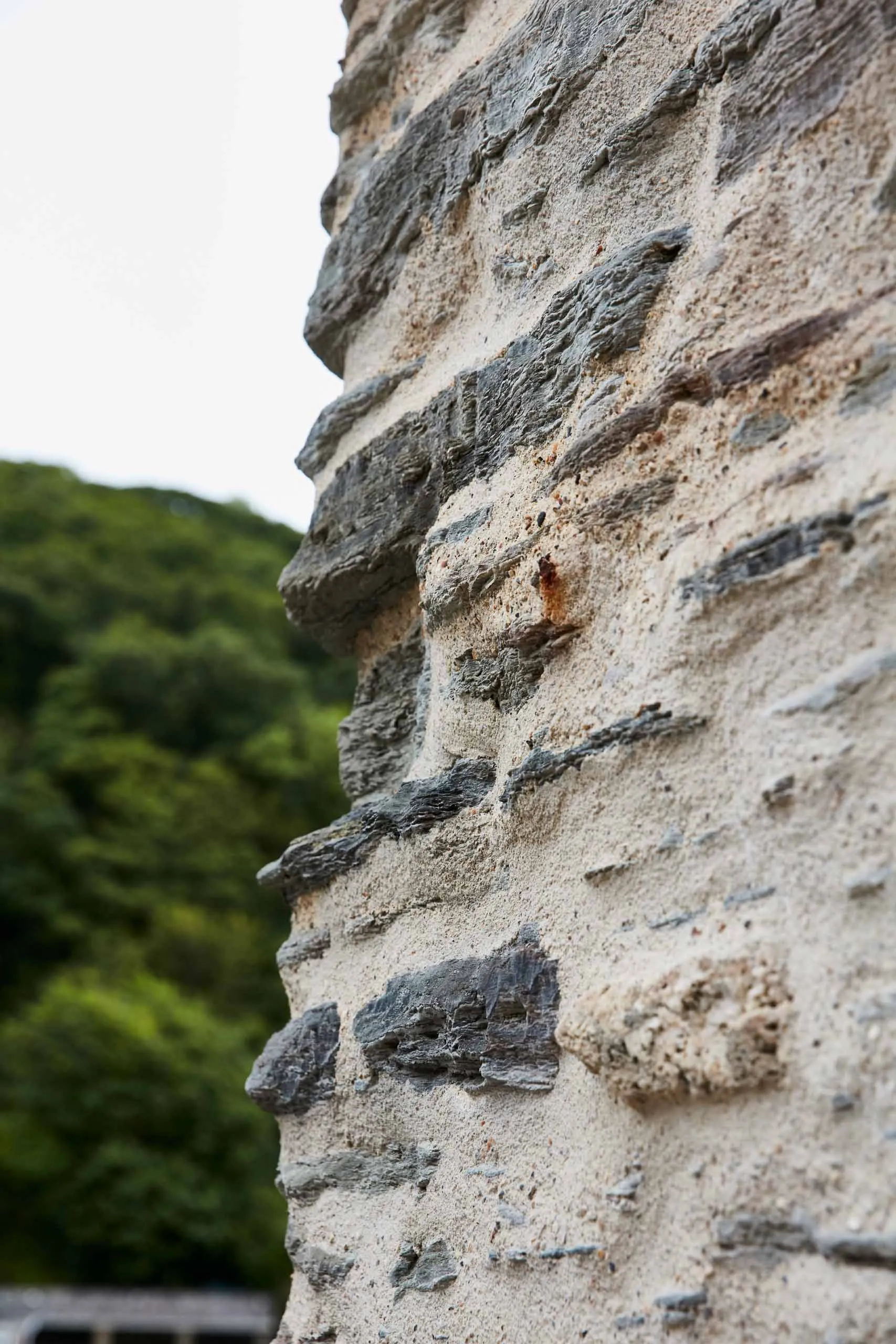
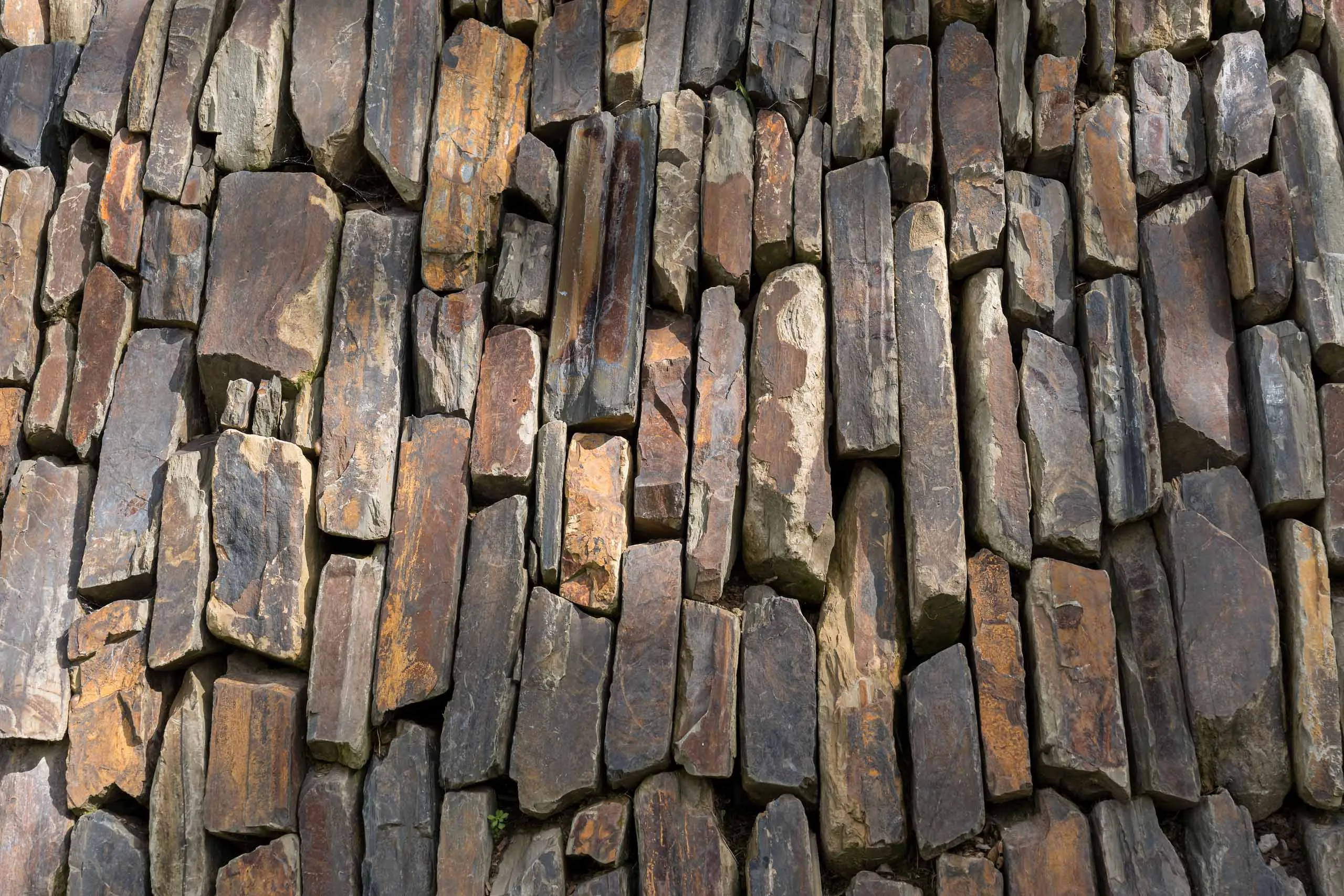
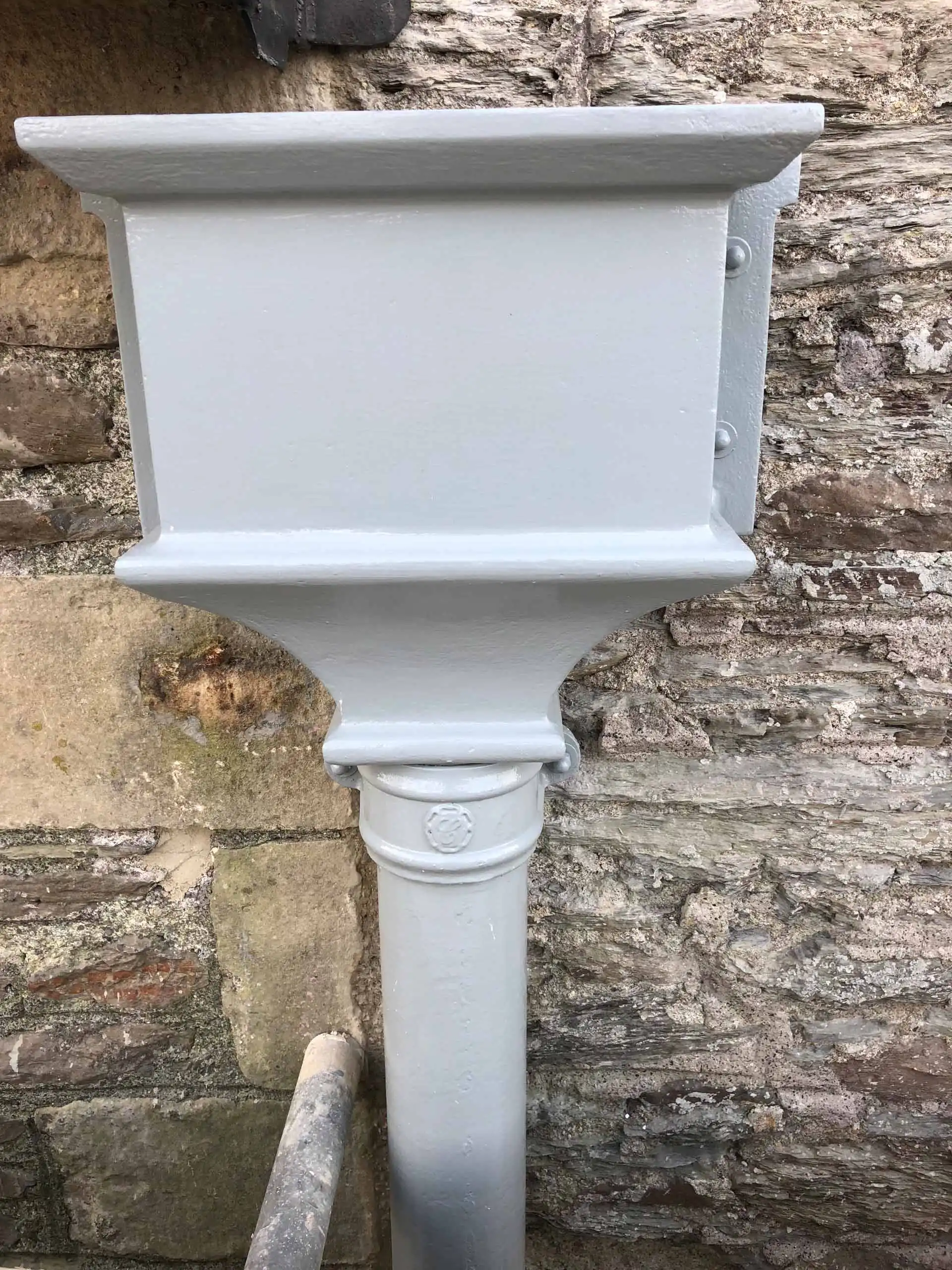
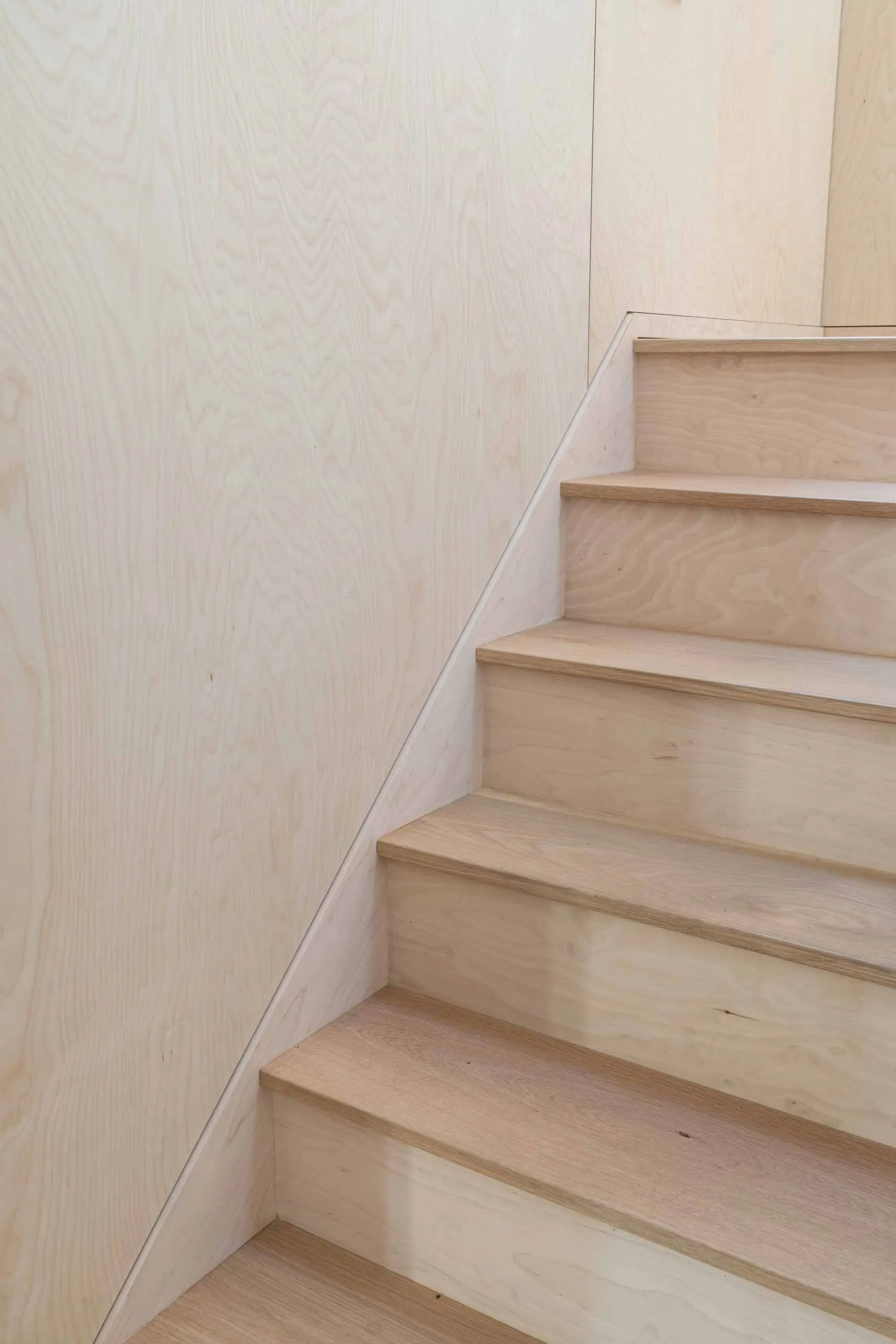
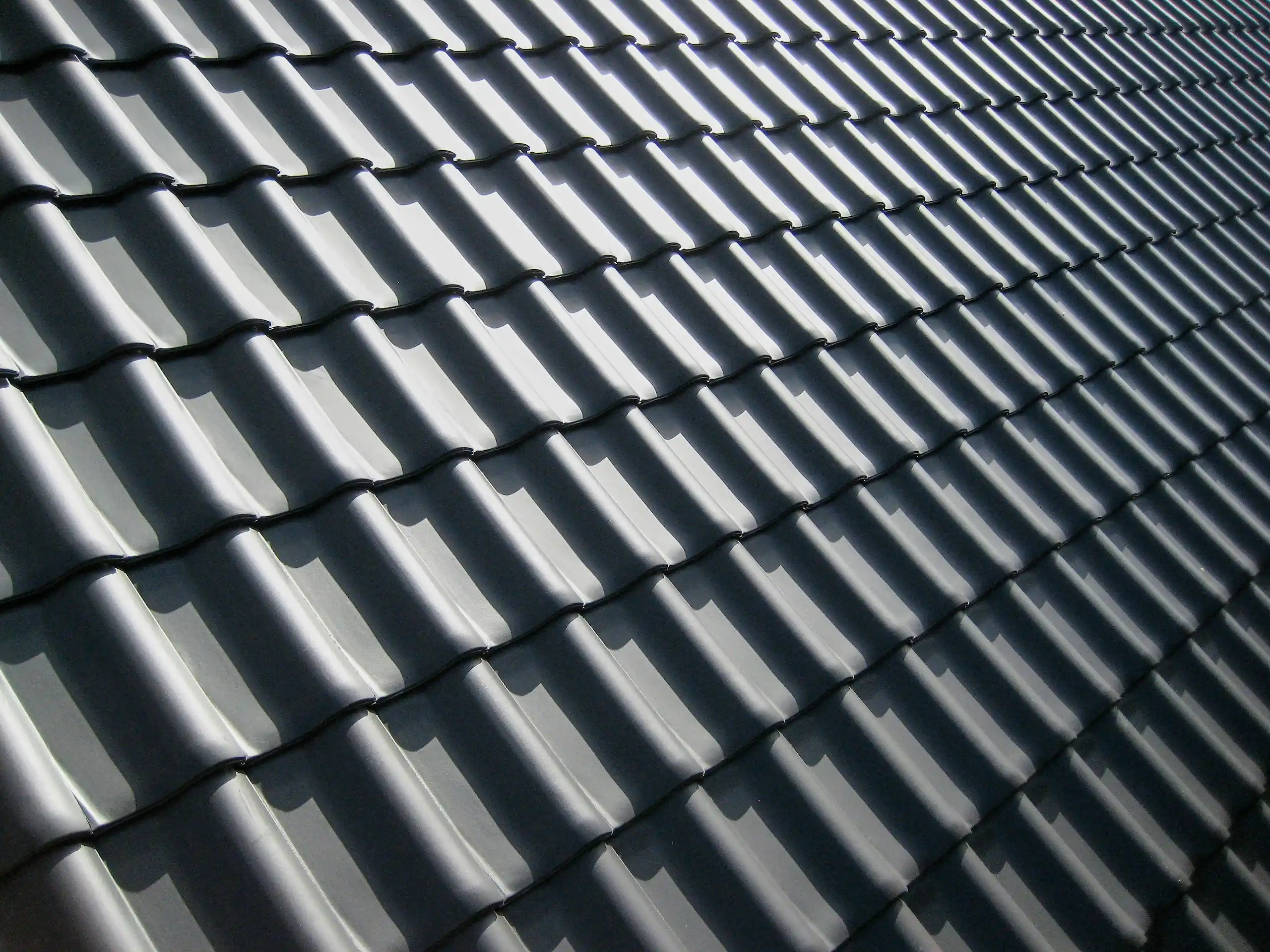
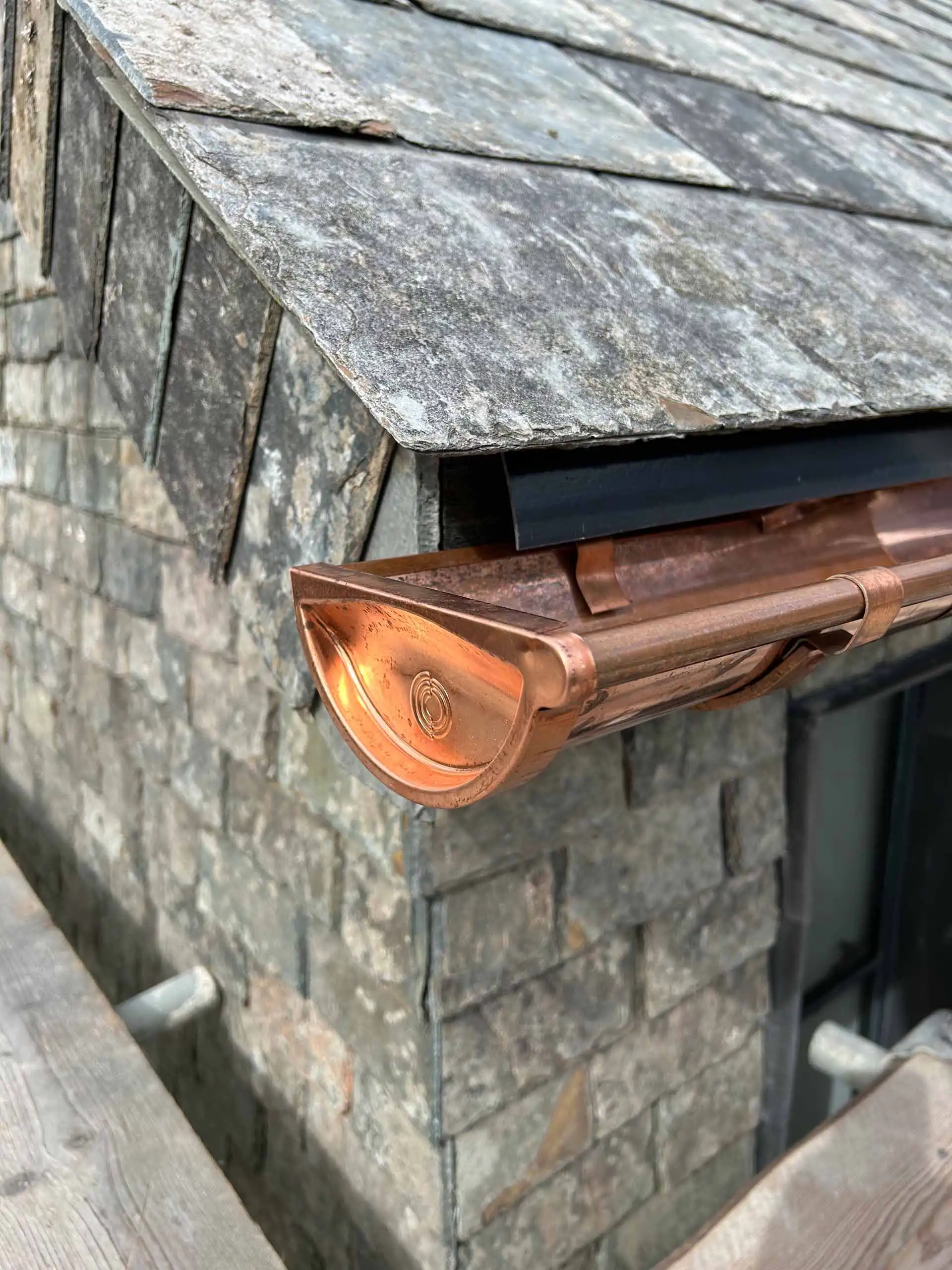
Materials we work with
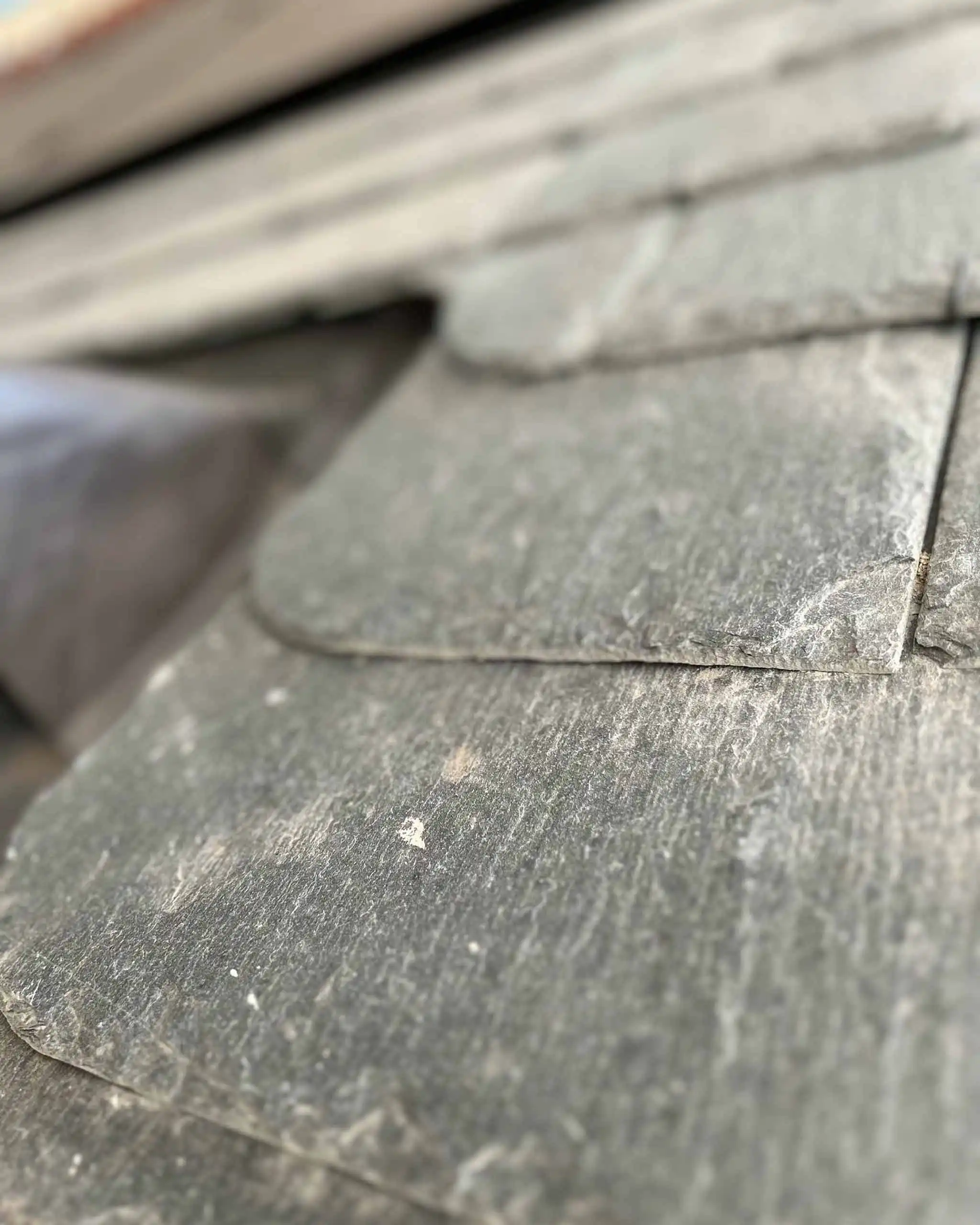
Featured projects.
←
→
Accredited & registered
Common questions.
Can't find what you're looking for? Get in touch and we'll be glad to help.
Do I need listed building consent before starting work?
Yes in most cases. Any work that affects the character of a listed building needs consent, even internal work. We can advise on what is likely to be needed and work alongside your architect or planning consultant through the process.
Can I change the roof material on a listed building?
Usually no. On a listed building, the roof must normally be replaced like-for-like with the original material, and any change requires listed building consent. This is why natural slate, clay tile and lead are specified on heritage roofs rather than modern substitutes. We work with conservation officers to agree materials before work begins.
Can you work with conservation officers on my behalf?
Yes. We have extensive experience working alongside conservation officers and are happy to engage with them directly where needed.
What roofing materials are allowed in a conservation area?
In a conservation area, roofing materials usually have to match the character of the existing building and the surrounding properties, which often means natural slate or clay tile rather than concrete or synthetic alternatives. Permitted development rights are frequently restricted, so it is worth checking with the local authority before any work. We can advise and liaise on your behalf.
Do you work on listed buildings?
Yes. We have over two decades of experience on listed buildings across North Devon and the South West including Grade I and Grade II properties, churches, stately homes and manor houses.
How do I know if my property is in a conservation area?
Your local planning authority can confirm this. In North Devon that is North Devon District Council or Exmoor National Park Authority depending on your location. We know the conservation areas across the region well and can advise if you are unsure.
What is the difference between lime mortar and cement?
Lime mortar is softer, more flexible and breathable than cement. It lets moisture move through a wall and evaporate, which is essential on older buildings. Cement traps moisture, which causes damp and can crack and erode historic stone and brick. Lime is almost always the correct choice on buildings built before 1919.
Have you completed lottery funded heritage projects?
Yes. We have worked on nearly 100 heritage buildings including lottery funded projects across the South West and are familiar with the reporting and quality requirements that come with funded work.
What traditional materials do you work with?
Lime mortar and lime render, natural slate, lead, cast iron, natural stone and traditional timber. We understand how these materials perform and how to apply them correctly.
Let's talk.
Whether you're a homeowner with a project in mind, an architect looking for a reliable contractor or interested in one of our developments, we'd love to hear from you.