Roofing & Leadwork Contractor North Devon
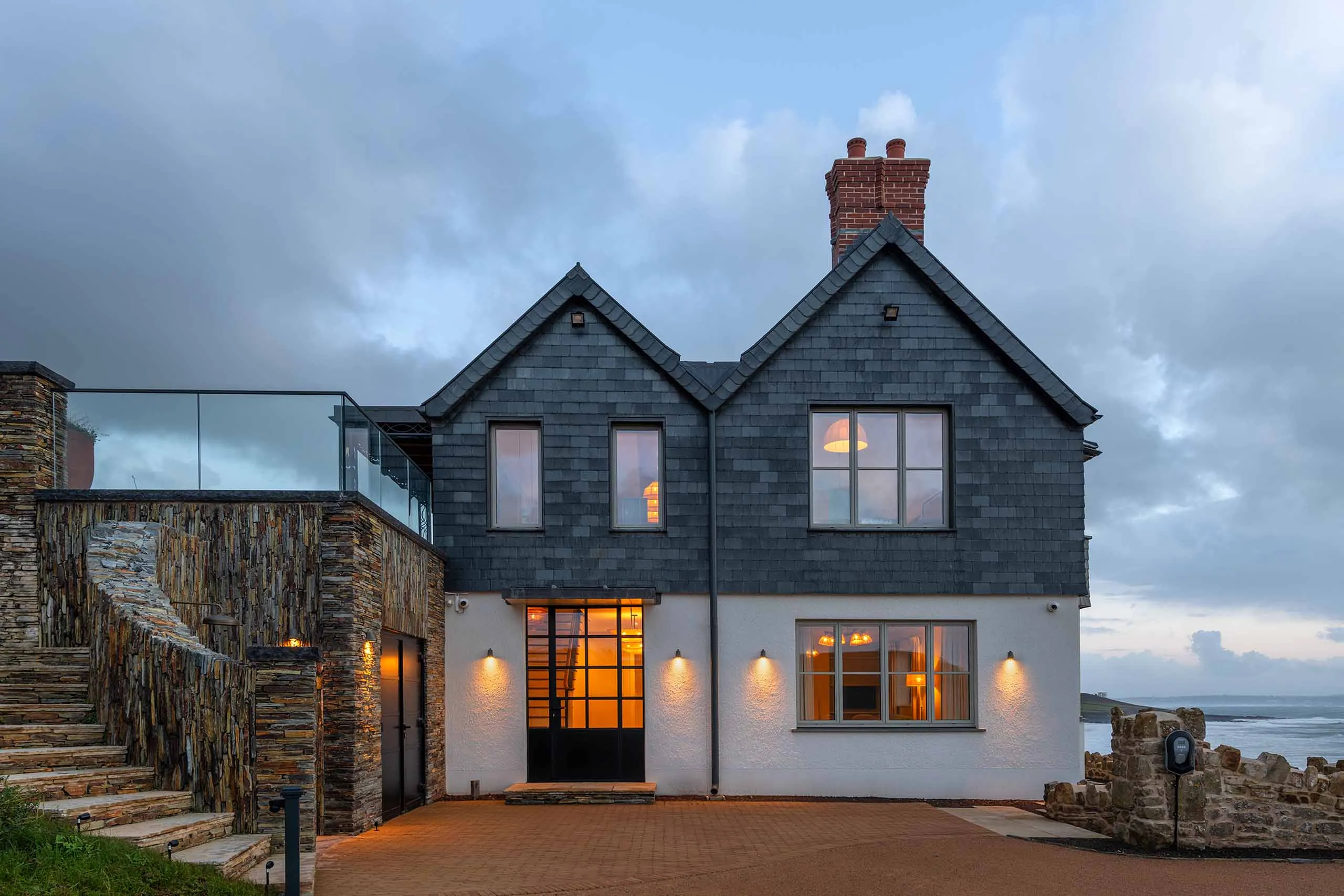
Over two decades of roofing and leadwork. Experienced across all aspects of the trade, from domestic repairs to large-scale heritage projects, with a particular focus on leadwork.
10-year warranty
Every roof can be covered by a 10-year insurance-backed guarantee, so clients are protected long after the work is done.
Featured projects.
←
→
Accredited & registered
Common questions.
Can't find what you're looking for? Get in touch and we'll be glad to help.
What roofing materials are allowed in a conservation area?
In a conservation area, roofing materials usually have to match the character of the existing building and the surrounding properties, which often means natural slate or clay tile rather than concrete or synthetic alternatives. Permitted development rights are frequently restricted, so it is worth checking with the local authority before any work. We can advise and liaise on your behalf.
How long does a re-roof take?
A typical domestic re-roof takes one to two weeks, depending on the size of the roof, the materials and the weather. Larger or more complex roofs, and heritage work using traditional methods, take longer. We give a clear timescale before starting and keep you updated throughout.
Can I change the roof material on a listed building?
Usually no. On a listed building, the roof must normally be replaced like-for-like with the original material, and any change requires listed building consent. This is why natural slate, clay tile and lead are specified on heritage roofs rather than modern substitutes. We work with conservation officers to agree materials before work begins.
What is an insurance-backed guarantee and do I need one?
An insurance-backed guarantee protects your workmanship guarantee even if the contractor stops trading. It is provided by a third-party insurer rather than the contractor, so it still holds value if the company closes. On new build flat roofs it is now a requirement. We provide them through our Polyroof approved system.
How often should a roof be inspected?
A roof should be inspected at least once a year, and after major storms. Catching a slipped slate, failed flashing or blocked gutter early prevents water getting into the structure, where the real damage and cost lie. On older and listed buildings regular inspection is especially worthwhile.
How long does a lead roof last?
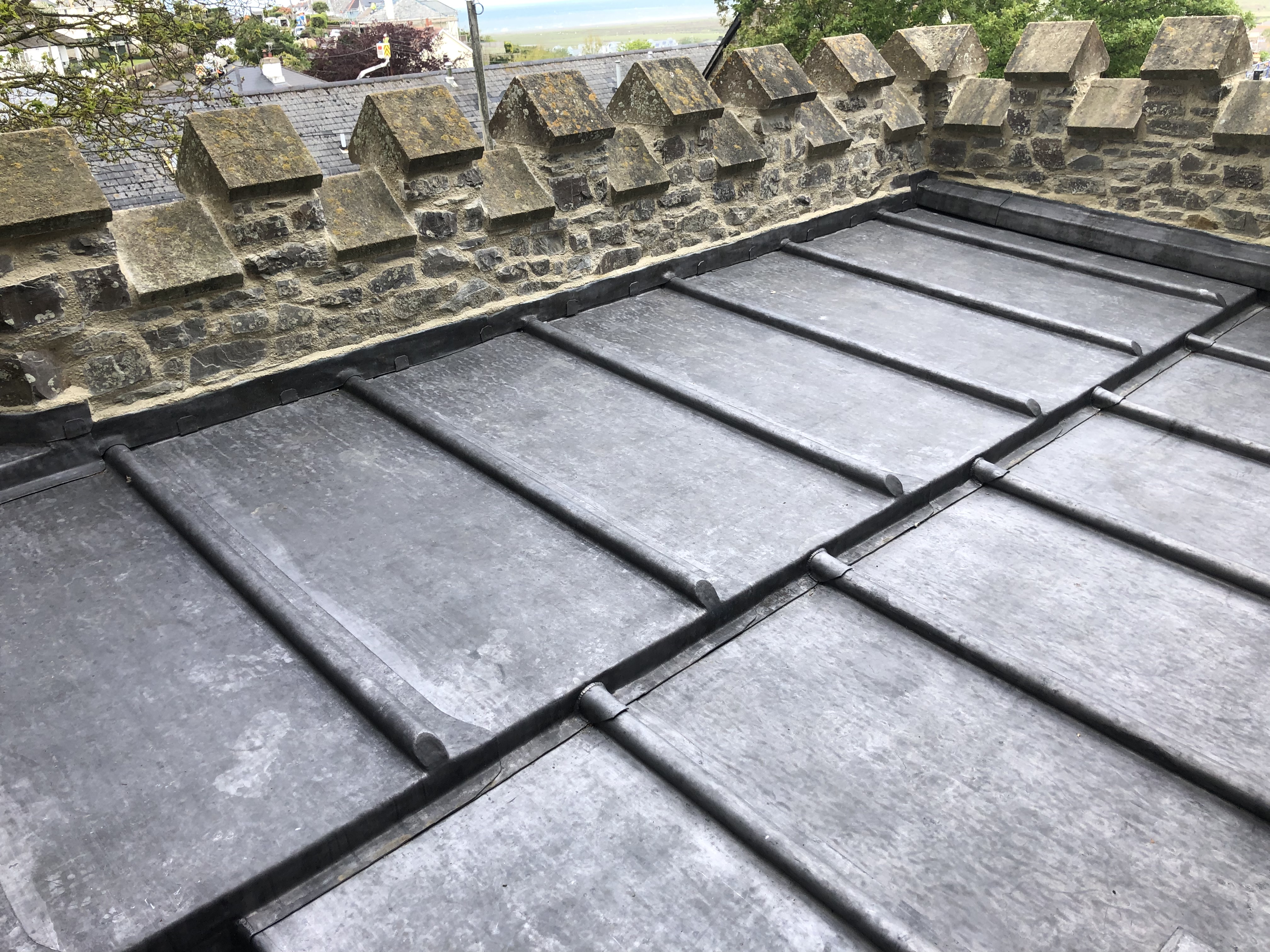
A correctly installed lead roof lasts over 100 years. Lead is the most durable traditional roofing material, which is why it is specified on heritage and conservation projects where longevity matters. Both cast and milled lead outlast modern alternatives when installed to Lead Sheet Association standards.
How long does lead flashing last?
Lead flashing lasts up to 100 years when it is installed so it can expand and contract freely. Most flashing fails early because it was fixed too rigidly or the lengths were too long, causing it to crack with thermal movement. Replacing it like-for-like to Lead Sheet Association sizing prevents this.
Do you offer a guarantee on roofing work?
Yes. All our roofing work is guaranteed and flat roof work comes with a 10-year insurance-backed guarantee. Guarantees on other roof types vary by material and manufacturer. We will always talk you through what is available before we start.
How do I know if a roofer is qualified?
Check for membership of a recognised trade body and independent registration. We are full members of the National Federation of Roofing Contractors and TrustMark registered, which means our work is independently vetted to industry standards. Always ask to see proof of accreditation and examples of similar completed work.
How long does a flat roof last?
A modern flat roof lasts far longer than the old felt roofs it replaced. Our Polyroof systems carry a design life of more than 30 years and insurance-backed guarantees of 10 to 20 years. Lifespan depends on the system, the deck beneath it and how well water drains off the roof.
How long does a tile roof last?
Clay tiles last 60 years or more and concrete tiles around 50, both dependent on correct laying and fixing. Handmade clay tiles on older properties can last considerably longer. The most common cause of early failure is not the tile but the battens, fixings or underlay beneath it.
Are you NFRC registered?
Yes. We are full members of the National Federation of Roofing Contractors and TrustMark registered.
Can a slate roof be repaired or does it need replacing?
In most cases a slate roof can be repaired rather than replaced. Individual slates can be removed and replaced without disturbing the rest of the roof. A full re-roof is usually only needed when the fixings have failed across the roof, which is common on roofs around 100 years old where the nails have corroded and slates are slipping.
What is the difference between bossing and welding lead?
Bossing is the traditional method of shaping lead by hand using wooden tools. Welding joins sheets of lead together using heat and a lead filler rod. Bossing suits complex shapes and detailing, welding suits larger joints and runs. We are skilled in both and use whichever suits the job.
Can you match existing slate or tile on a repair?
In most cases yes. We have a lot of experience sourcing matching materials on both modern and older properties and will always discuss options before we proceed.
How long does a slate roof last?
A natural slate roof lasts 80 to 100 years or more when correctly laid. Welsh and other high-quality natural slates often reach the upper end of that range. Fibre-cement slate lasts around 50 to 70 years. Lifespan depends far more on the quality of the installation and the fixings than on the slate itself.
Can old slates be reused?
Yes. Natural slate often outlasts the nails holding it, so sound slates can be carefully removed and relaid during a re-roof. This is common on heritage and listed buildings where matching the original slate is important. We sort and reuse what we can and source matching slate for the rest.
Do I need planning permission to replace my roof?
Usually not for a like-for-like replacement. But if your property is listed, in a conservation area, or if you are changing the materials, consent may be needed. We will always check before we start and can liaise with the planning authority if required.
Why is my lead roof cracking?
Lead cracks when it cannot move freely with temperature changes. If panels are too large or fixed too rigidly, thermal expansion causes splits and fatigue over time. The fix is to replace the affected lead using the correct code and panel size to Lead Sheet Association guidance, so it can expand and contract as designed.
Let's talk.
Whether you're a homeowner with a project in mind, an architect looking for a reliable contractor or interested in one of our developments, we'd love to hear from you.